How Much Does a Hybrid Solar System Cost in Mountain House?
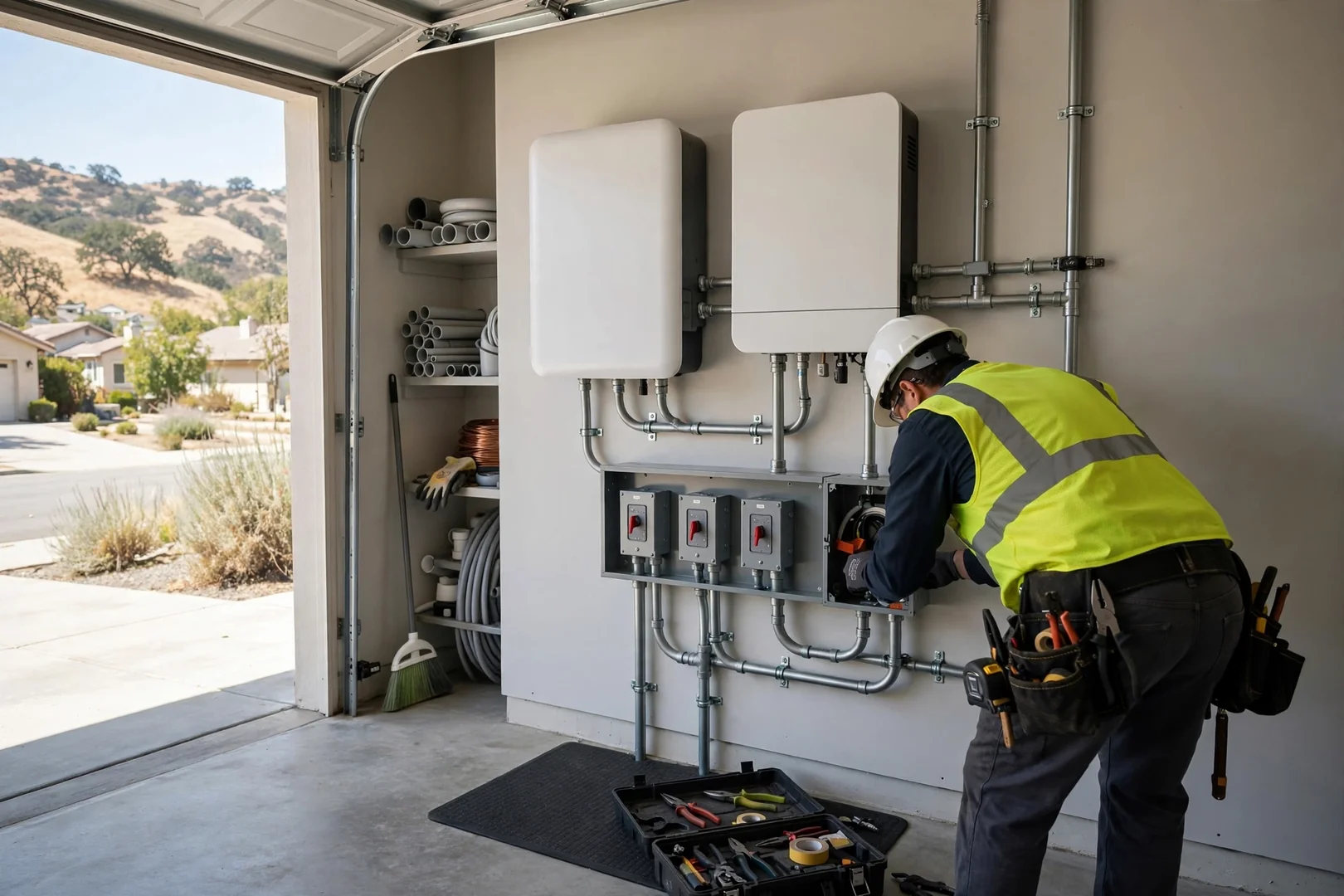
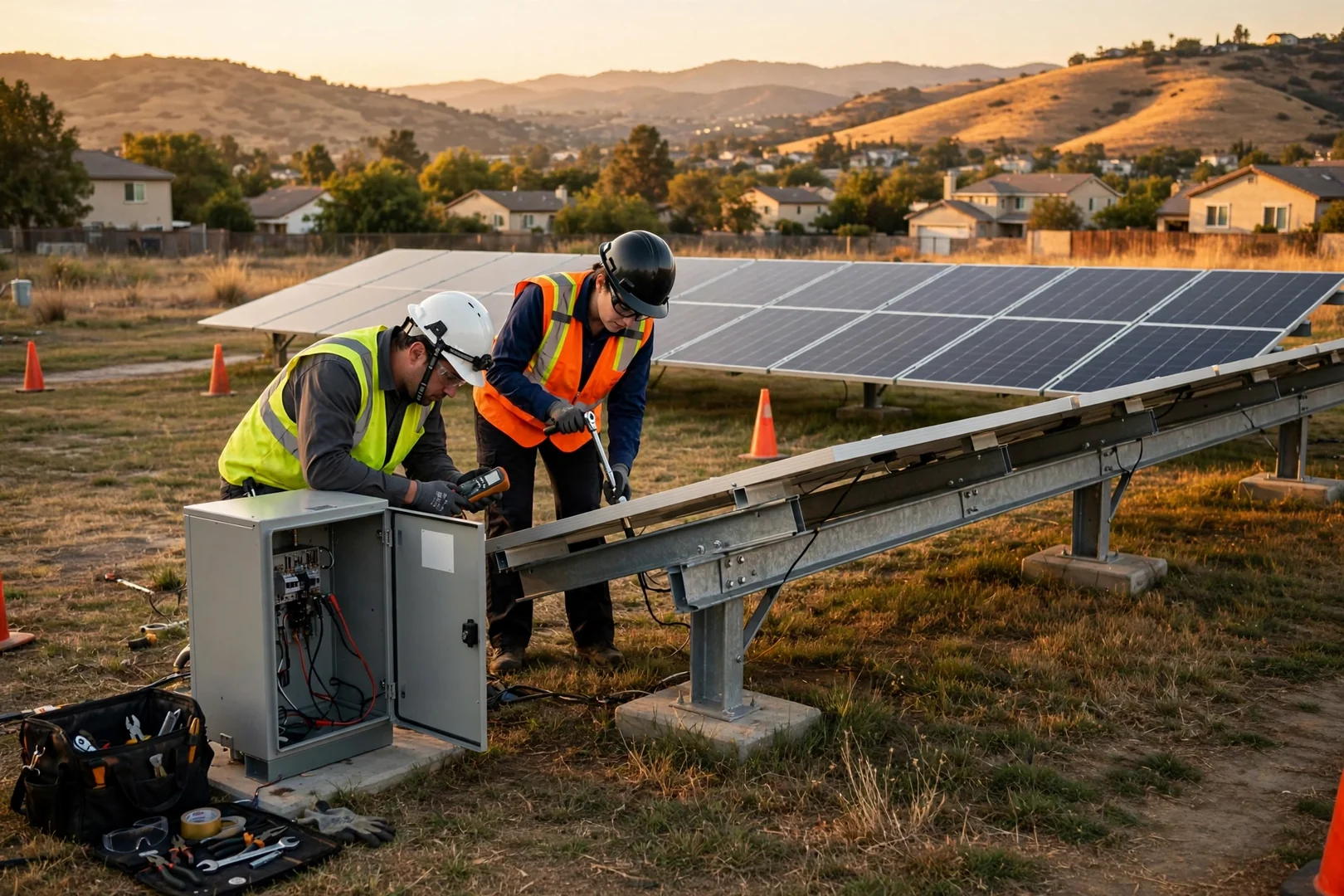
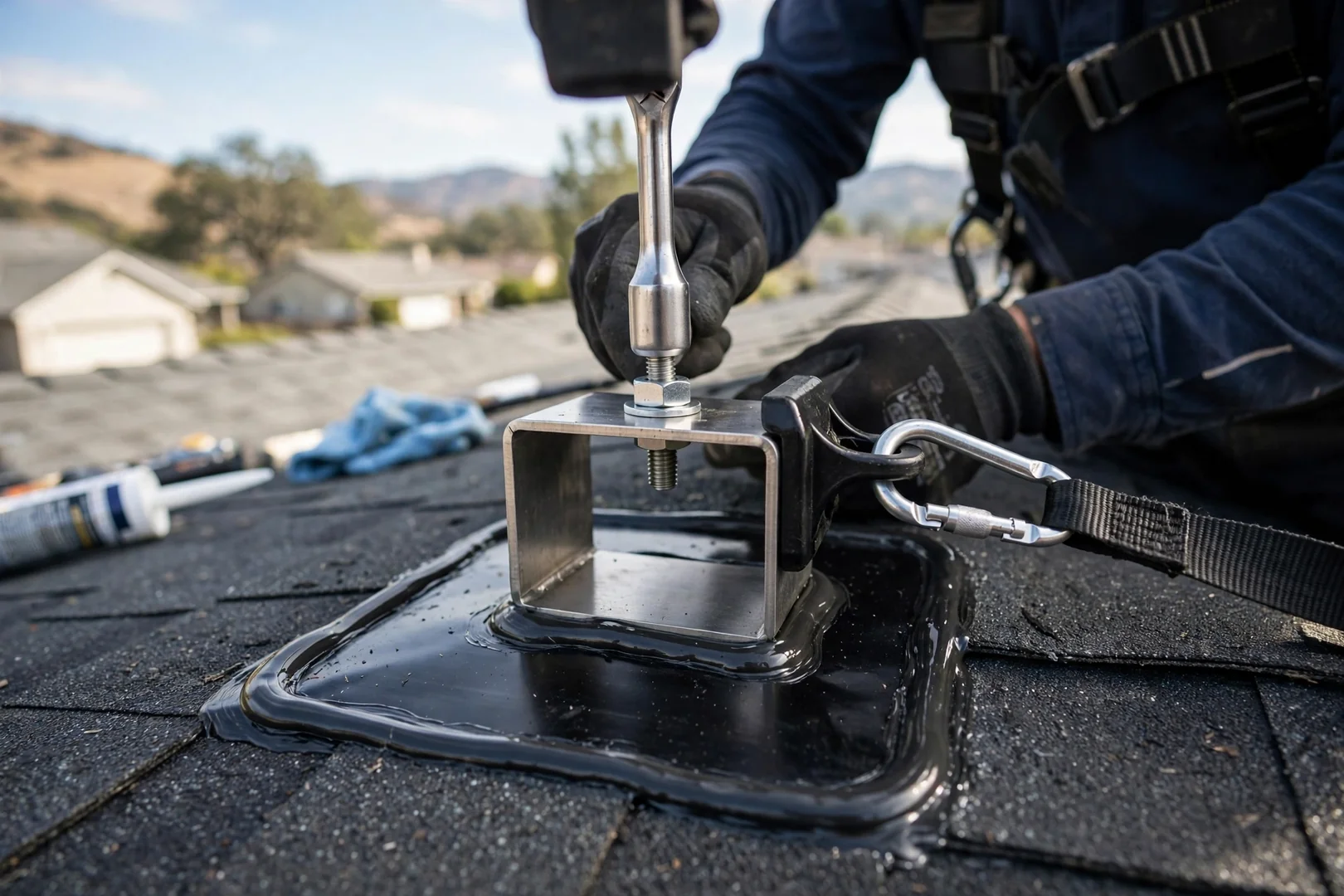
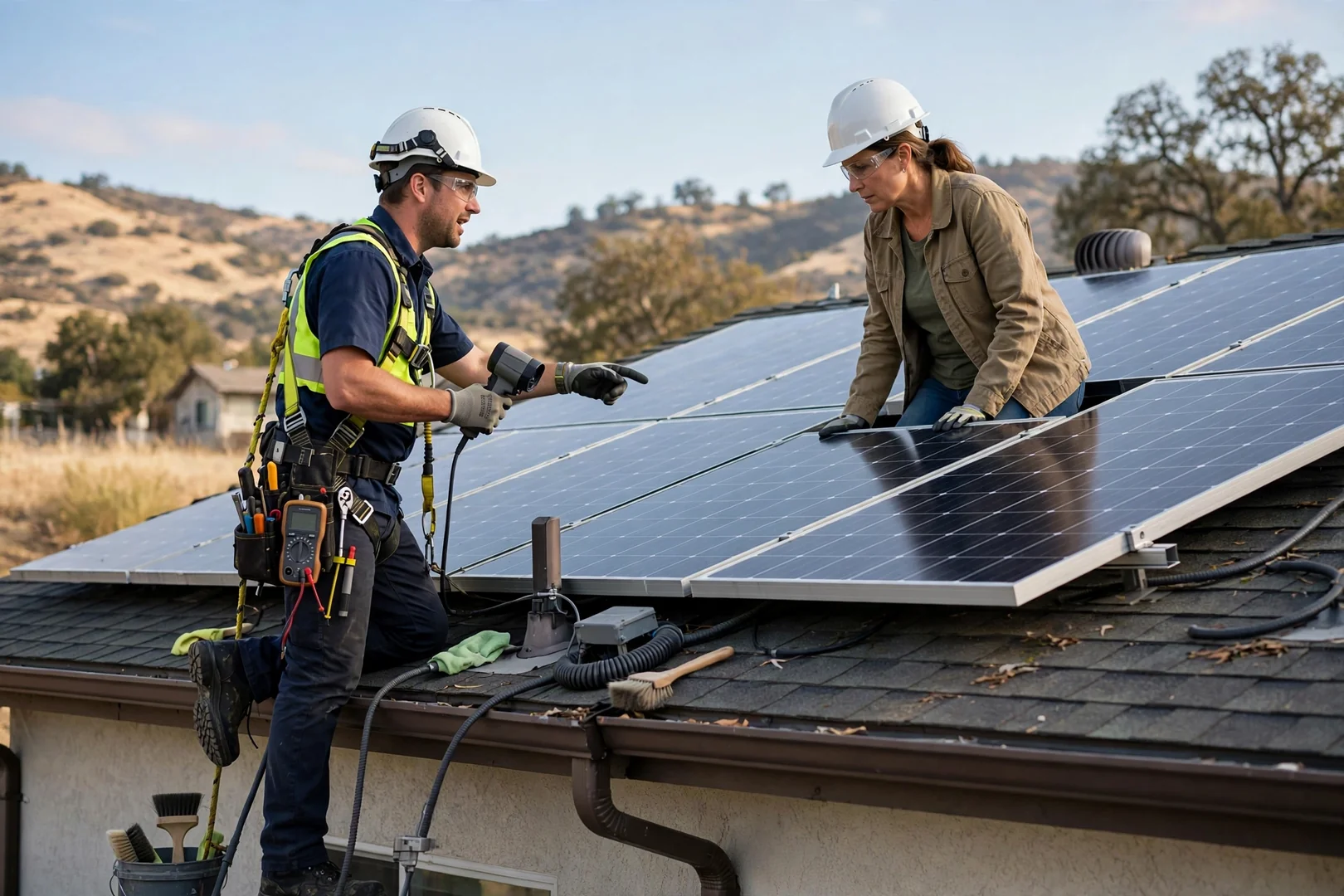
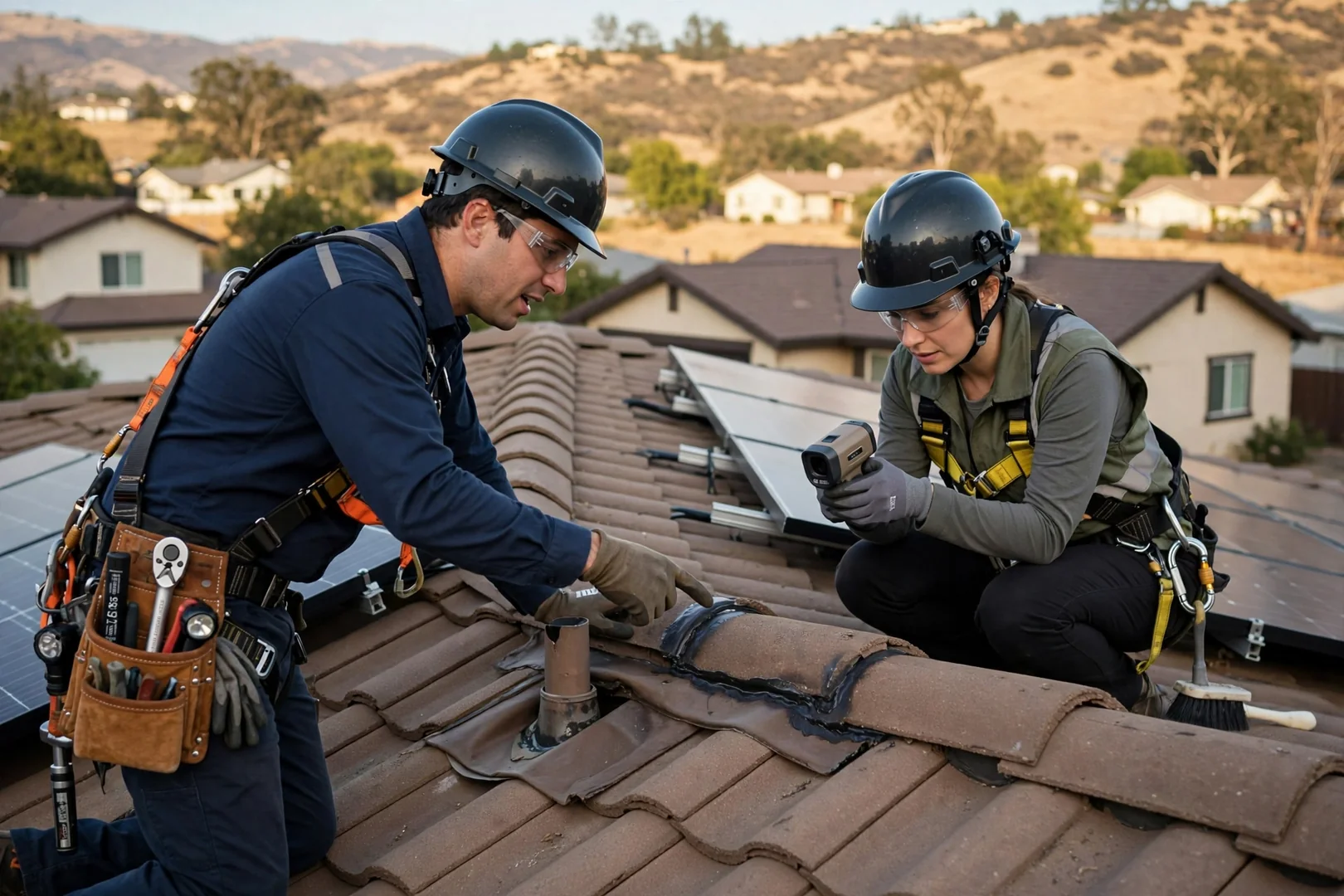
Hybrid solar system pricing in Mountain House depends primarily on array size in kilowatts, hybrid inverter capacity, usable battery storage in kilowatt-hours, and the electrical upgrades your existing service panel needs, with most 2026 projects landing inside typical Central Valley ranges for comparable equipment. Battery count is usually the single largest variable, because backing up an entire home costs considerably more than backing up a critical-loads subpanel with the refrigerator, well pump, and a few outlets. Mounting method also moves the number. Composition shingle roofs install faster than tile, ground-mounted racking adds concrete footings and trenching, and long conduit runs between the array, inverter, and battery wall raise both labor and material totals. Permit and utility interconnection fees, main panel or breaker upgrades, and any required structural reinforcement of rafters are separate line items that we identify during the assessment rather than after work begins. Exact figures always require an on-site review, since two Mountain House homes on the same street can differ in panel rating, attic access, and shading from neighboring rooftops. A technician measures available roof or yard area, checks the meter and grounding, and reviews twelve months of usage before proposing a configuration. Written estimates are free. Everything quoted is itemized, so you can see equipment, labor, and fees separately before deciding.