Off-Grid Solar Systems in Mountain House, CA

Off-grid solar systems store and supply all of a property’s electricity on site, without a utility connection, which makes them a practical fit for outbuildings, rural parcels, agricultural structures, and workshops on the outer edges of Mountain House where running new service lines is costly. Property owners here deal with long, hot Central Valley summers and winter tule fog, so battery bank sizing and charge controller selection have to account for real seasonal production swings rather than best-case numbers. Our 2026 installation schedule is open for site evaluations, with load calculations completed before any equipment is ordered. Every array, inverter, and disconnect is installed by trained technicians following proper grounding, conductor sizing, and rapid-shutdown practices to protect the structure and the people in it. Mountain House Solar Panel Installations handles the design, the mounting work, and the commissioning walkthrough.

Request a Site Assessment (209) 684-7590

Ask About Off-Grid Solar

Share a few details about your property and power needs, and our team will follow up to schedule an on-site evaluation and written estimate.

Off-Grid Solar Systems Explained

What Our Off-Grid Solar Systems Service Includes

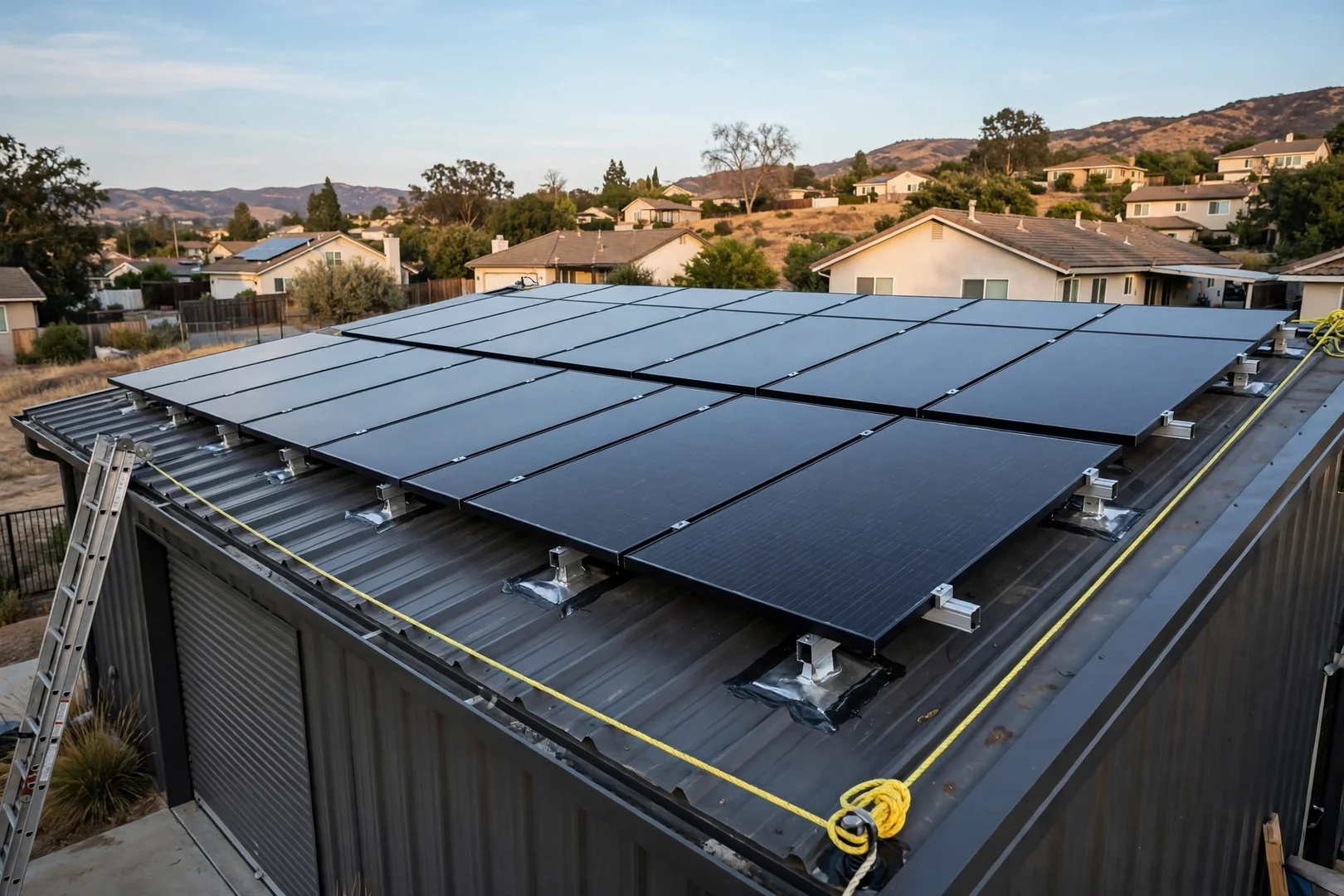
An off-grid solar system is a self-contained power setup that generates, stores, and distributes electricity without any utility grid connection, and at Mountain House Solar Panel Installations that scope covers load analysis, array design, battery bank sizing, charge controller and inverter installation, and final commissioning across Mountain House properties. Work begins with a written load calculation that totals daily watt-hours, then moves to autonomy planning so the battery bank can carry the property through cloudy stretches and winter fog days. Mounting comes next, whether roof-attached with flashed penetrations or a ground-mounted racking system on an engineered footing. Conductor sizing, overcurrent protection, grounding, and DC disconnects are all installed to code before any energized testing occurs. Safety drives the sequence.

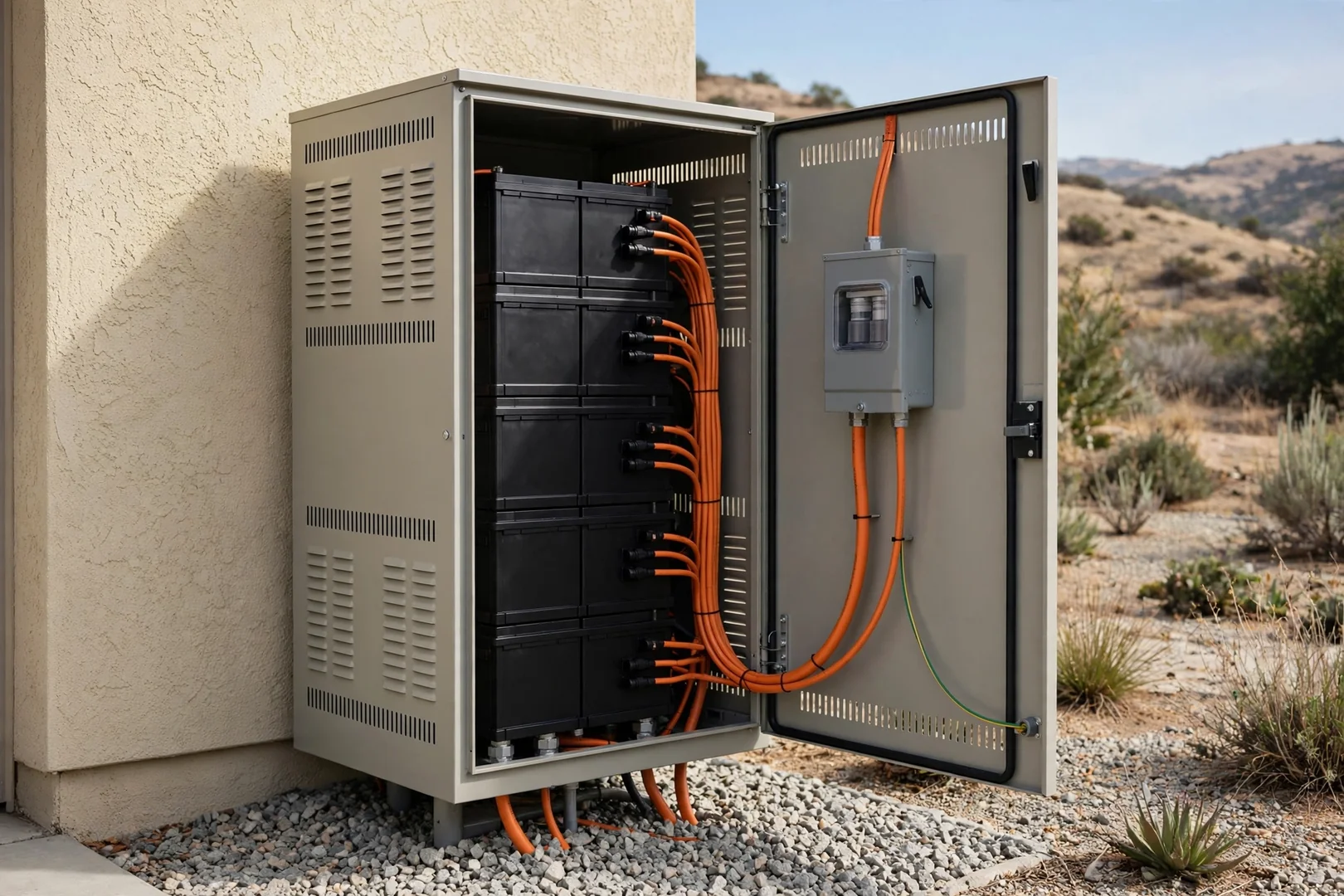
Residential homes, detached shops, small commercial buildings, and multi-unit properties each place different demands on an off-grid design, so panel count, inverter capacity, and storage chemistry are matched to the actual usage pattern rather than a template. Our 2026 approach leans on lithium iron phosphate storage where ventilation and thermal management allow it, with careful attention to enclosure clearances and cable routing that keeps hazards away from living space. Trained technicians handle every energized connection, and structural attachment points are inspected for rafter condition and load path before hardware goes in. Homeowners in Mountain House receive a post-job walkthrough covering monitoring, shutdown steps, and maintenance intervals.

Talk With Our Team (209) 684-7590

How Much Does an Off-Grid Solar System Cost in Mountain House?

Off-grid solar pricing in Mountain House depends primarily on daily load requirements, battery bank capacity and chemistry, inverter output rating, and mounting method, with 2026 projects ranging widely because no two properties draw power the same way. A workshop running a few tools and lights needs far less storage than a full residence with well pumps and air conditioning, and that load calculation is the single largest driver of total cost. Storage is usually the second largest line item, since lithium iron phosphate banks carry a higher upfront figure than lead-acid but require less maintenance and tolerate deeper discharge. Mounting choice also shifts the number. Roof-attached arrays require flashing, rafter inspection, and sometimes structural reinforcement, while ground-mounted racking adds trenching, concrete footings, and conduit runs between the array and the equipment room. Charge controller type matters too, as MPPT controllers cost more than PWM units but recover more production during Mountain House winters when fog and lower sun angles cut output. Permit fees, panel upgrades, and the length of DC and AC conductor runs round out the variables. Because these factors interact, an accurate number requires an on-site assessment where we measure the roof or ground area, check the existing electrical setup, review shading, and confirm safe equipment placement and ventilation. We provide free written estimates that itemize equipment, labor, and permitting so Mountain House property owners can compare options without guesswork.
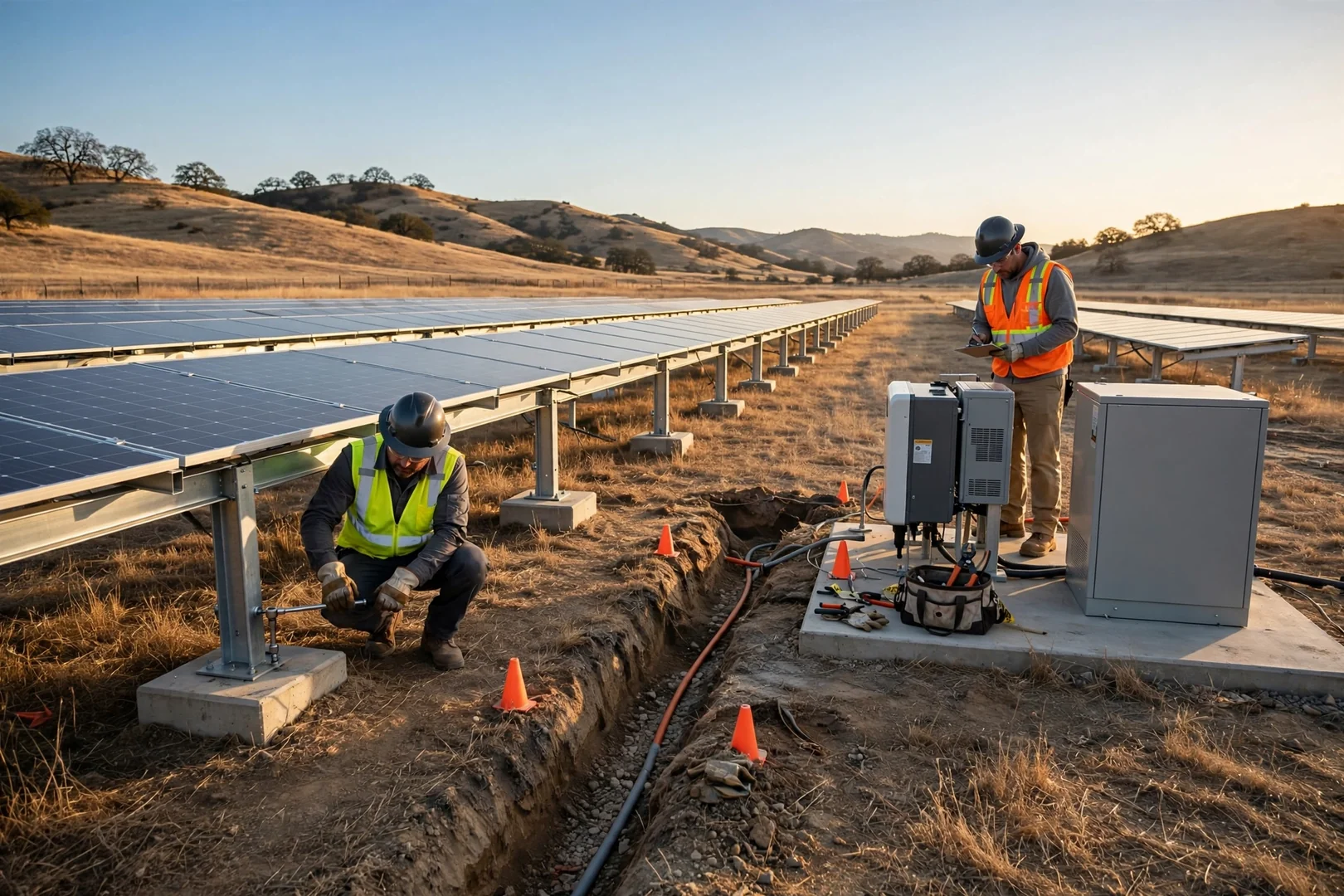
Ground-mounted off-grid solar array with battery enclosure on a rural Mountain House property

- Common Off-Grid Solar Warning Signs -

What Signs Mean Your Property Needs Off-Grid Solar Systems?

Properties that lose power during outages, sit far from utility lines, or carry costly service extensions are strong candidates for off-grid solar. Watch for undersized battery banks, charge controller faults, and generator overuse. Mountain House owners often notice these gaps during 2026 summer load peaks.

Click Me to Call: (209) 684-7590

Battery Bank Drains Overnight

When lithium or AGM storage empties before sunrise, depth-of-discharge limits are usually being exceeded. Undersized capacity, aging cells, or a miscalibrated battery management system all show the same symptom. A load audit clarifies which one it is.

Charge Controller Faults and Alarms

MPPT charge controllers that log overvoltage errors or throttle output often point to string wiring problems, loose terminations, or heat buildup in an enclosed space. These faults reduce harvest quietly. Careful inspection and torque checks resolve most of them safely.

Constant Generator Backup Runtime

Relying on a fuel generator most evenings signals that array output, inverter capacity, and storage are mismatched. Mountain House homes with well pumps and HVAC loads see this frequently. Right-sizing the array and inverter cuts runtime and fuel handling risk.

Off-Grid Solar Systems Process

How Does Our Off-Grid Solar Systems Process Work?

Schedule Your Consultation (209) 684-7590
1

Load Audit and Site Survey

Every project starts with a measured look at daily kilowatt-hour use, well pumps, HVAC cycles, and seasonal swings. Technicians also check roof framing, ground space, shading from trees, and existing electrical panels. Findings are written down, not guessed at.

2

System Design and Written Estimate

Array size, inverter capacity, and battery bank depth-of-discharge targets are matched to your actual loads. You receive a written estimate that lists equipment, mounting method, and expected autonomy days. Design choices are explained in plain terms before anything is ordered.

3

Permitting and Safety Planning

Plans are prepared for local review, including conductor sizing, rapid shutdown provisions, and grounding details. A site-specific safety plan covers fall protection, ladder placement, and lockout steps for DC circuits. Mountain House permit timelines are reviewed with you up front.

4

Installation by Trained Technicians

Racking is anchored to structural members with flashed penetrations, then modules are set and strings are terminated to torque specification. Battery enclosures, MPPT charge controllers, and inverters are mounted with proper ventilation and clearance. Work areas stay barricaded and tidy throughout.

5

Commissioning and Walkthrough

Strings are tested for voltage, polarity, and insulation resistance before energizing. Inverter and battery management settings are programmed, then output is verified under real load. A post-job walkthrough covers monitoring, maintenance intervals, and safe shutdown procedures.

/// Recent Off-Grid Projects ///

Off-Grid Solar Projects
Completed Across Mountain House

Off-grid installations across Mountain House this 2026 have ranged from small workshop arrays to full-property systems with expanded lithium storage. Properties differ in roof framing, shading, and available ground space, so each design starts from measured load data rather than assumptions.

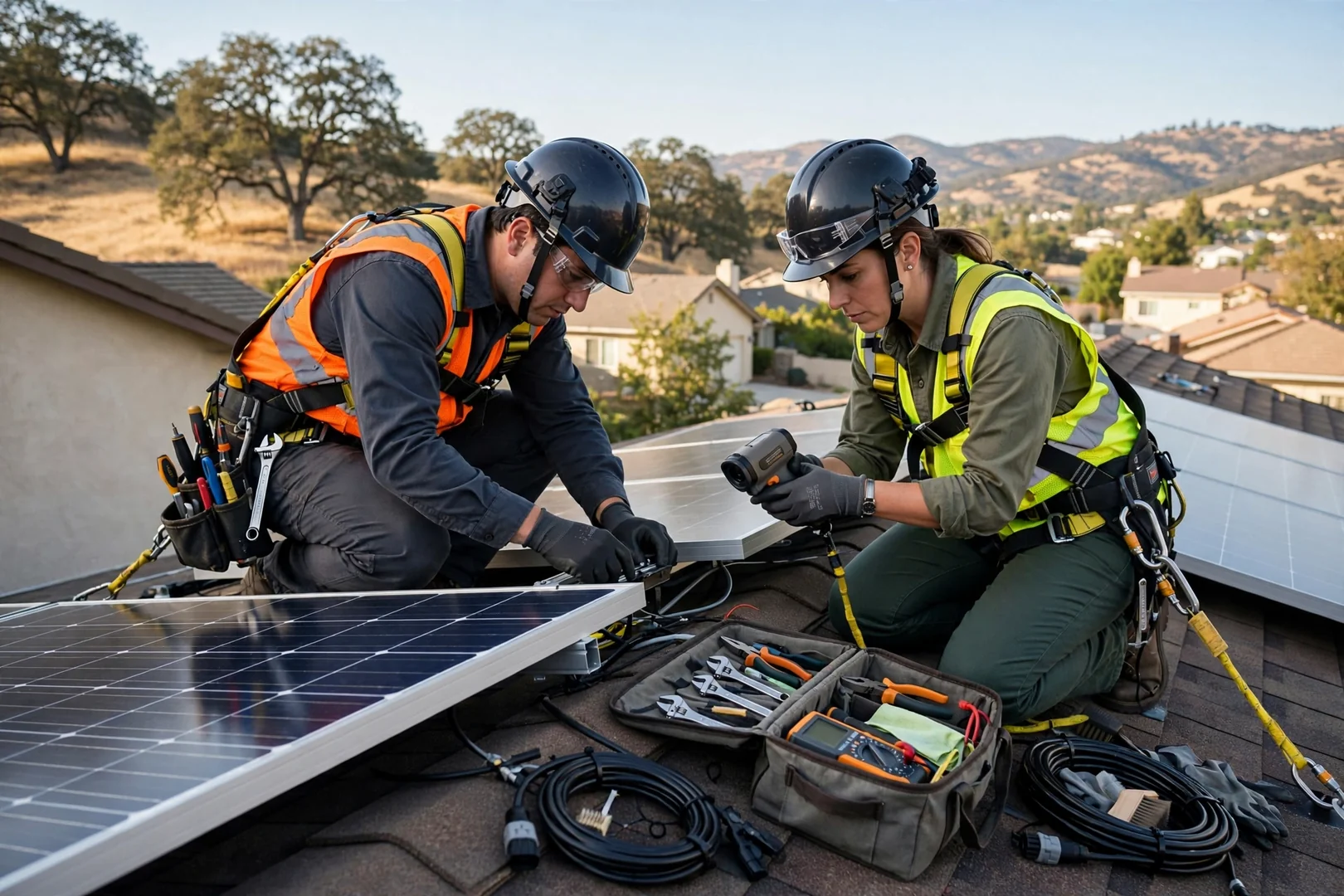
Crews follow the same disciplined sequence on every site: structural verification, fall protection setup, torqued terminations, and insulation resistance testing before energizing. Careful handling of DC circuits and battery banks protects both technicians and the building.

Each job closes with commissioning results and a post-job walkthrough so owners understand monitoring and maintenance.

Call us on: (209) 684-7590

Why Do Mountain House Homeowners Trust Us for Off-Grid Solar Systems?

Call Us: (209) 684-7590
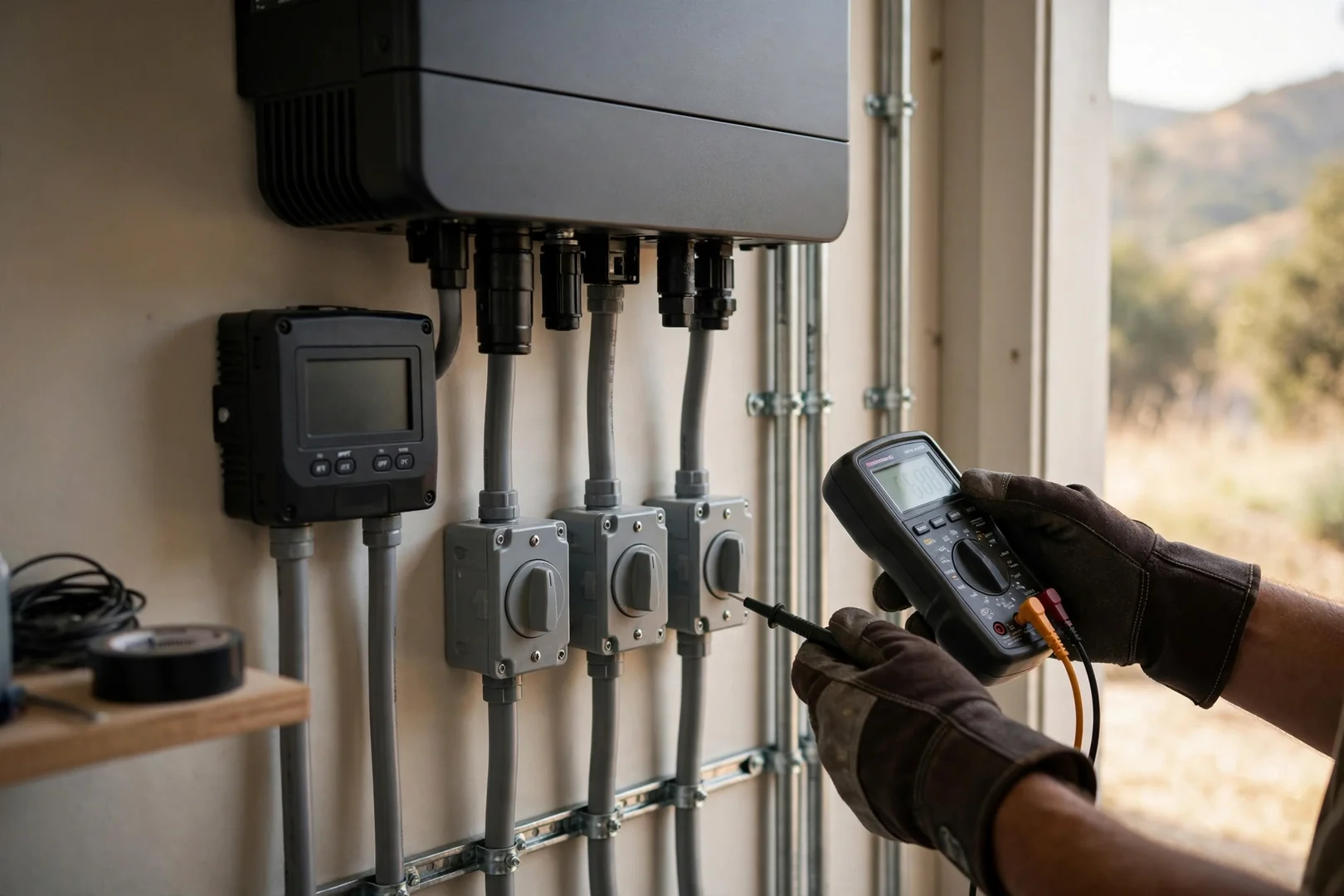
Technician inspecting battery bank and charge controller inside an off-grid solar equipment enclosure

Focused Off-Grid Solar Systems Advice. We match recommendations to your actual property conditions instead of using a one-size-fits-all package.

Clear Communication. You know what is being installed, why it matters, and how to maintain it after the visit.

Local Follow-Through. Our team supports homeowners and businesses in Mountain House, CA before, during, and after the job.

Off-Grid Solar Systems FAQs

Off-Grid Solar Systems FAQs for Mountain House Homeowners

Questions about battery autonomy, generator backup, and system sizing come up in nearly every off-grid consultation we handle in 2026. The answers below cover scheduling, what an installation includes, how homeowners can prepare, and the cost factors that shape an independent power system.

If your property or power needs raise something not addressed here, a site visit and written estimate will give you specifics tied to your own roof, soil, and daily electrical loads.

Talk With Our Off-Grid Team

Scheduling begins with a site assessment where we measure available sun exposure, review your daily kilowatt-hour usage, and evaluate mounting surfaces or ground space. Installation timing then depends on equipment lead times for the battery bank, inverter, and charge controller, plus any permitting steps that apply to your property. We confirm the working schedule in writing before crews arrive so you know which days involve electrical shutdowns.

A complete off-grid installation includes the solar array and racking, a charge controller, a battery bank with a ventilated enclosure, a battery-based inverter, DC and AC disconnects, overcurrent protection, and system grounding. We also handle conductor routing, labeling of all disconnects, and commissioning tests that verify voltage, polarity, and inverter output before the system carries household loads. The final walkthrough covers shutdown steps and state-of-charge monitoring.

Clearing access to the planned equipment area is the main preparation homeowners need to handle, along with moving stored items away from the wall or pad where the battery enclosure and inverter will mount. If we are building a ground-mounted array, keeping vehicles and landscaping equipment clear of the racking footprint helps our technicians work safely. We discuss any tree trimming for shade reduction during the assessment rather than on installation day.

Off-grid pricing runs higher mainly because of the battery bank, which must store enough usable capacity to carry your loads through cloudy stretches and nighttime hours. Other cost drivers include the battery-based inverter, charge controller sizing, larger conductor runs, trenching for detached buildings, and any backup generator integration. Your written estimate itemizes these components so you can compare options like added battery autonomy against a smaller starting bank.

Mountain House conditions do influence off-grid design, since extended summer heat raises battery operating temperatures and causes inverter derating, while shorter winter days reduce daily array production. We account for that by sizing the array with seasonal margin, placing battery enclosures where ventilation and shade help temperature stability, and setting charge controller parameters for local sun hours. Dust accumulation on panels also matters here, which is why we review cleaning intervals during the 2026 handoff walkthrough.

Free Off-Grid Solar Estimates

Schedule Off-Grid Solar Systems in Mountain House

Planning an off-grid setup starts with a site visit, where our trained technicians review roof or ground conditions, shading patterns, panel orientation, and the daily energy load your household actually uses. Every assessment comes with a free written estimate that lists battery bank sizing, charge controller and inverter selections, and the mounting approach suited to your property. There is no obligation to move forward.

Mountain House homeowners planning improvements for 2026 can book an appointment quickly, and we walk through wiring paths, disconnect placement, and grounding requirements before any equipment is ordered so nothing about the installation feels unclear. Safe sequencing, careful load calculations, and a post-job walkthrough are part of standard practice on each system we install. Call or email today and tell us what you want your off-grid system to power.

Request Your Free Estimate (209) 684-7590
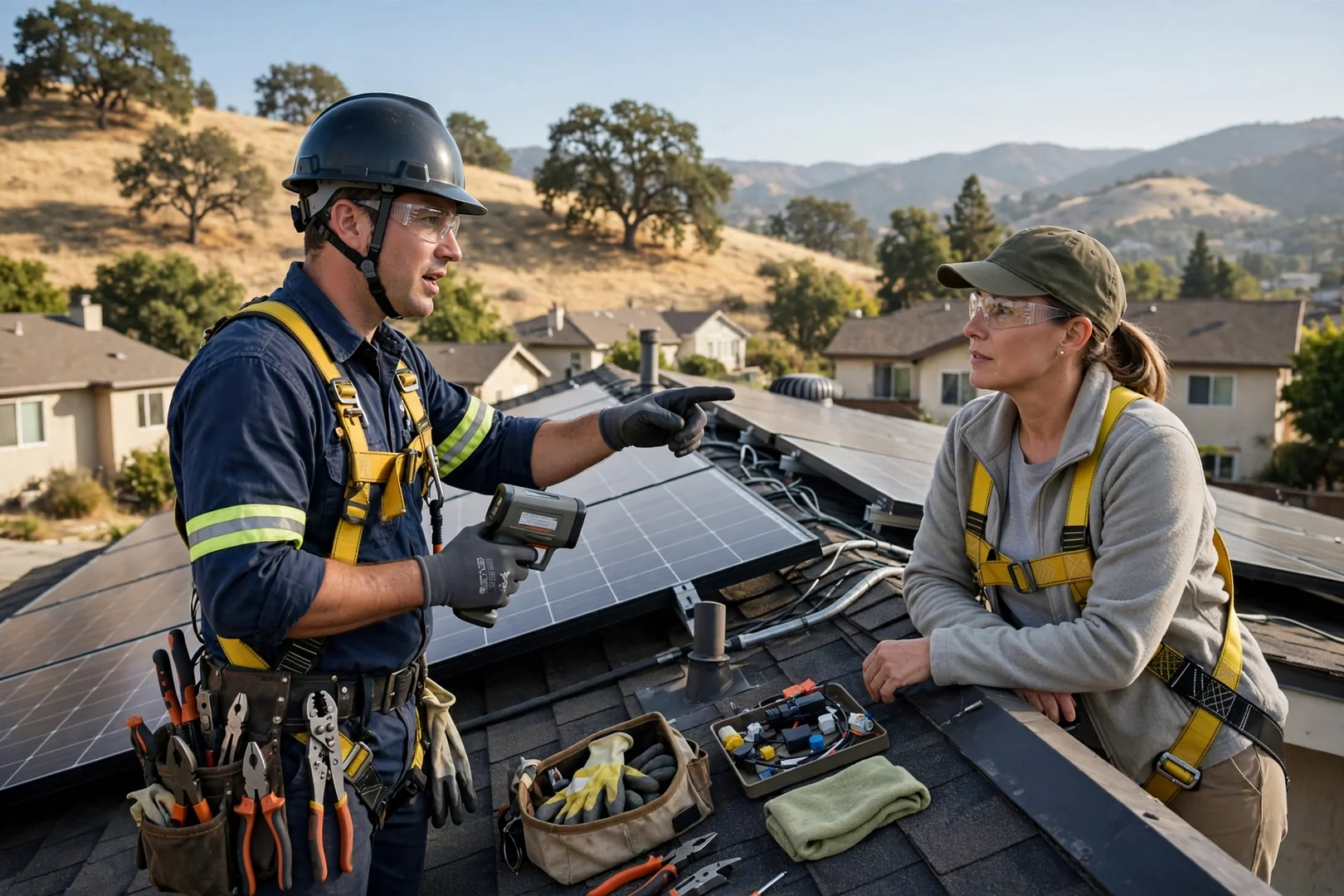
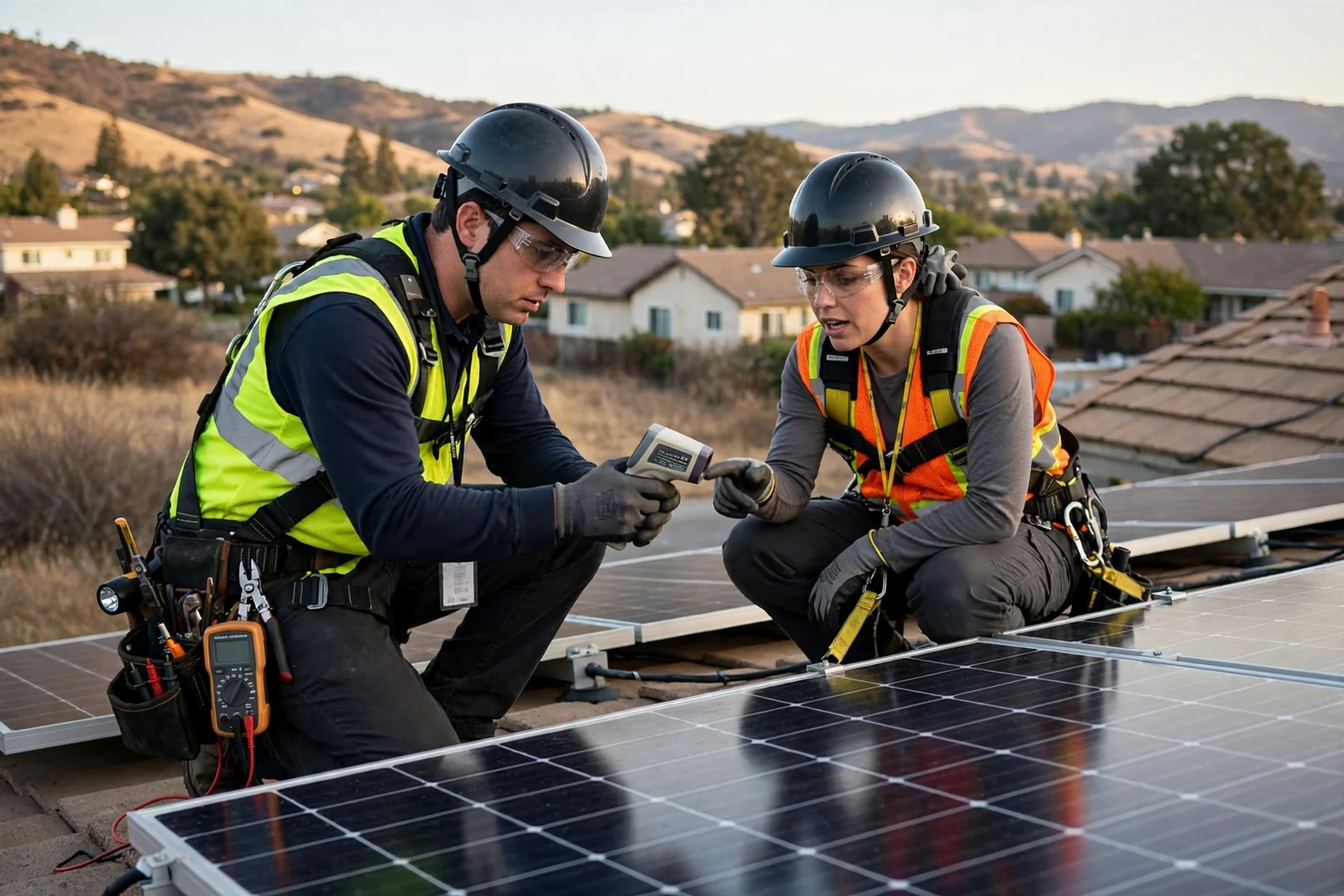
Technician reviewing off-grid solar battery and inverter setup at a Mountain House home
Call Us: (209) 684-7590